Enter
Tap into an event, building or room when your access is valid.
Approach → request → enterSelective Identity Gateway Network
A permissions layer
for the physical world.
PeopleThingsPlaces
What can you do with a SIGN?01 / Uses
Tap into an event, building or room when your access is valid.
Approach → request → enterShare only the contact or identity information you choose.
Choose → share → connectPut a SIGN on something you own. A finder can reach you without seeing private details.
Find → tap → returnAsk a person, place or object for an interaction it makes available.
Ask → review → allowPresent the credential a moment requires—without revealing everything behind it.
Present → verify → continue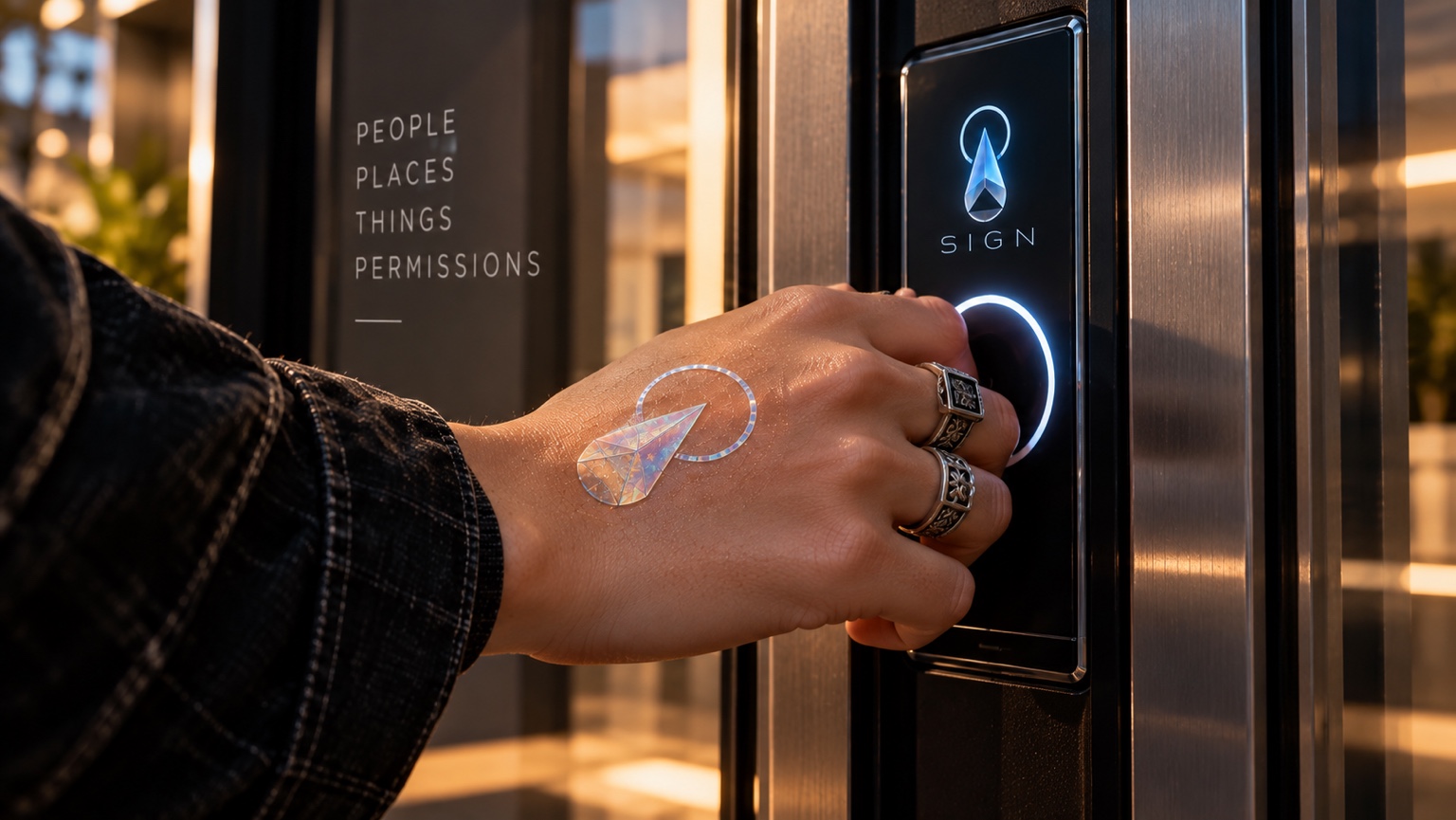
Wear SIGN. Approach something. Make a request. Share selectively. Gain access.
02 / What is SIGN?
SIGN is a proposed way for people, places and things to expose specific interactions—without exposing everything else.
Instead of treating identity as a profile you hand over, SIGN treats each encounter as a request: what is being asked, what is required, and what you choose to share.
Starting with NFC: a simple, physical tap between a SIGN and a compatible phone or reader.
03 / Who can use it?
Carry access, contact and credentials. Decide what leaves your hand.
Give an object a controlled way to be identified, returned or interacted with.
Define what is available here, who may enter, and what proof is needed.
04 / Safety + Privacy
The request should tell you what is being asked before anything is shared.
SIGN is early. Its privacy model and security architecture are still being designed and tested. The intent is explicit, per-interaction choice—not invisible collection and not blanket access.
05 / Building SIGN
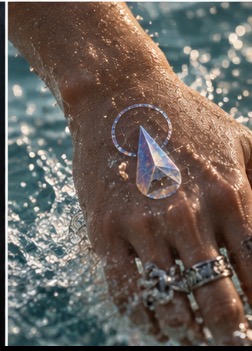 Physical, wearable, manufacturable.
The current prototype begins with NFC because the first interaction should be simple and believable: bring a SIGN near a device and open a permission request.
AI-mediated permission management is a future direction. The idea is for requests to be understood and managed in natural language—but that capability is not part of the current prototype.
Building in public